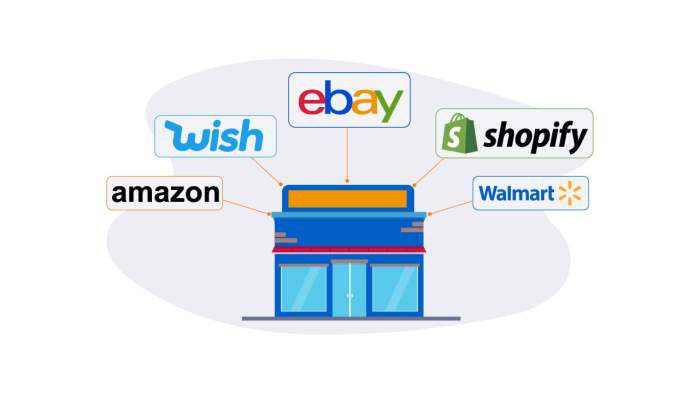
Multi-Channel E-commerce Solutions sets the stage for this enthralling narrative, offering readers a glimpse into a story that is rich in detail with a casual formal language style and brimming with originality from the outset.
As we delve deeper, we will explore the intricacies of multi-channel strategies, the benefits they offer, and the challenges they present in the realm of e-commerce.
Introduction to Multi-Channel E-commerce Solutions
Multi-channel e-commerce solutions refer to the use of multiple platforms or channels to sell products or services online. This approach allows businesses to reach a wider audience by leveraging different online marketplaces, social media platforms, websites, and other channels to connect with potential customers.Using multi-channel strategies is essential for e-commerce businesses to maximize their reach and increase sales. By diversifying their presence across various channels, businesses can create more touchpoints with customers, improve brand visibility, and cater to the preferences of different consumer segments.
Examples of Popular Multi-Channel E-commerce Platforms
- Amazon: One of the largest online marketplaces where businesses can list and sell their products to a massive customer base.
- eBay: Another popular platform that allows businesses to reach a global audience and sell both new and used items.
- Shopify: A comprehensive e-commerce platform that enables businesses to set up their online stores and integrate with multiple sales channels.
- Facebook Marketplace: A platform within Facebook where users can buy and sell items locally or nationally, leveraging the social media network’s vast user base.
Benefits of Multi-Channel E-commerce Solutions

When it comes to online sales, utilizing multi-channel e-commerce solutions can offer numerous advantages that single-channel approaches may not provide. By expanding to multiple channels, businesses can reach a wider audience, increase brand visibility, and ultimately boost sales and revenue.
Increased Reach and Visibility
- By selling products across various platforms such as websites, marketplaces, social media, and mobile apps, businesses can tap into different customer demographics and markets.
- Expanding to multiple channels allows for increased brand visibility, making it easier for potential customers to discover and engage with the products or services offered.
Improved Customer Experience
- Offering a seamless shopping experience across different channels can enhance customer satisfaction and loyalty.
- Customers can choose the channel that best suits their preferences and needs, whether it’s online, mobile, or in-store, leading to a more personalized and convenient shopping experience.
Enhanced Data and Analytics
- Utilizing multi-channel e-commerce solutions provides businesses with valuable data and insights on customer behavior, preferences, and buying patterns.
- By analyzing data from various channels, businesses can make informed decisions to optimize marketing strategies, inventory management, and overall business operations.
Success Stories
- Companies like Nike, Apple, and Sephora have successfully implemented multi-channel e-commerce strategies to reach a global audience, increase sales, and strengthen brand loyalty.
- These businesses have leveraged the power of multiple channels to engage with customers across different touchpoints, resulting in higher conversion rates and customer retention.
Implementing Multi-Channel E-commerce Solutions
Implementing multi-channel e-commerce solutions involves a strategic approach to setting up and integrating different sales channels seamlessly. This ensures a cohesive customer experience and efficient management of inventory, orders, and customer data across multiple channels.
Setting Up Multi-Channel E-commerce Strategies
- Identify your target audience and determine which channels they are most active on.
- Choose the right e-commerce platforms and tools that support multi-channel integration.
- Develop a consistent brand message and visual identity across all channels.
- Create a centralized system for managing product listings, pricing, and promotions.
Integrating Different Sales Channels Seamlessly
- Use an e-commerce platform that offers built-in integrations with popular sales channels like Amazon, eBay, and social media platforms.
- Sync inventory levels in real-time to prevent overselling and ensure accurate product availability.
- Implement a unified order management system to track orders from different channels in one place.
- Utilize customer data to personalize marketing messages and offers across all channels.
Managing Inventory, Orders, and Customer Data
- Utilize inventory management software to track stock levels and automate reordering processes.
- Implement order fulfillment solutions that streamline shipping and delivery processes for orders from various channels.
- Use customer relationship management (CRM) tools to centralize customer data and provide personalized customer service.
- Regularly analyze data and metrics from each channel to optimize performance and identify areas for improvement.
Challenges of Multi-Channel E-commerce Solutions
Implementing multi-channel e-commerce solutions can come with its fair share of challenges that businesses need to overcome in order to succeed in a competitive market. These challenges include channel conflict, data synchronization issues, and tracking ROI effectively.
Channel Conflict
One of the major obstacles in multi-channel e-commerce is channel conflict, where different sales channels compete against each other rather than complementing each other. This can lead to internal competition, confusion for customers, and ultimately a loss in sales.
- Establish clear channel roles and responsibilities to avoid overlap and conflict.
- Implement a unified pricing strategy across all channels to maintain consistency and fairness.
- Regularly communicate with channel partners to align goals and strategies for a harmonious working relationship.
Data Synchronization
Keeping data consistent and up-to-date across multiple channels can be a daunting task for businesses. Inaccurate or outdated information can lead to poor customer experiences and lost opportunities for sales.
- Invest in an integrated e-commerce platform that allows for real-time data synchronization across all channels.
- Utilize customer relationship management (CRM) tools to centralize customer data and ensure consistency in communication.
- Regularly audit and clean up data to eliminate duplicates and maintain accuracy.
Tracking ROI
Measuring the return on investment (ROI) for each channel in a multi-channel e-commerce strategy can be challenging due to the complexity of tracking performance across various platforms.
- Implement analytics tools to track and analyze customer behavior, conversion rates, and sales performance on each channel.
- Assign unique tracking codes or URLs to different channels to accurately attribute sales and monitor ROI.
- Regularly review and adjust marketing strategies based on ROI data to optimize performance and maximize profitability.
Adapting to Changing Consumer Behavior
Consumer behavior is constantly evolving, especially in a multi-channel environment where customers expect a seamless shopping experience across all platforms. Businesses need to adapt to these changes to stay competitive and meet customer expectations.
- Conduct market research and customer surveys to understand changing preferences and trends in consumer behavior.
- Offer personalized shopping experiences tailored to individual preferences and purchase history.
- Stay agile and flexible to quickly respond to market shifts and adjust strategies accordingly to meet consumer demands.
E-commerce Solutions Overview
E-commerce solutions play a crucial role in facilitating online transactions for businesses of all sizes. These solutions encompass a range of tools and platforms designed to streamline the process of selling products or services online.
Types of E-commerce Solutions
There are several types of e-commerce solutions available in the market, each catering to different business needs:
- Hosted E-commerce Platforms: These platforms provide all-in-one solutions for creating and managing an online store without the need for technical expertise.
- Self-Hosted E-commerce Platforms: Businesses have more control and customization options with self-hosted platforms, but they require technical knowledge to set up and maintain.
- Marketplace Platforms: These platforms allow businesses to sell their products on established online marketplaces like Amazon or eBay.
- Mobile Commerce Solutions: With the increasing use of mobile devices, mobile commerce solutions enable businesses to reach customers on smartphones and tablets.
Key Features of E-commerce Solutions
When choosing an e-commerce solution for a business, it’s important to consider the following key features:
- Scalability: The solution should be able to grow with the business and handle increasing sales volumes.
- Payment Gateway Integration: Seamless integration with popular payment gateways to ensure secure transactions.
- Inventory Management: Tools to track and manage inventory levels to prevent stockouts and overstocking.
- Mobile Responsiveness: A mobile-friendly interface to cater to the growing number of mobile shoppers.
- -Friendly: Built-in features to optimize the online store for search engines and improve visibility.
In conclusion, Multi-Channel E-commerce Solutions provide a roadmap for businesses to thrive in a competitive online landscape, emphasizing the importance of adaptability and customer-centric approaches.
Questions and Answers
How can multi-channel e-commerce solutions benefit my business?
Multi-channel strategies can increase brand visibility, reach a wider audience, and drive more sales by providing customers with various touchpoints to make purchases.
What are some common challenges faced when implementing multi-channel e-commerce solutions?
Common challenges include maintaining consistent branding across channels, managing inventory effectively, and ensuring seamless integration between different platforms.
How do I ensure a cohesive customer experience across multiple sales channels?
By implementing centralized customer data management systems and utilizing automation tools, you can ensure that customers receive a consistent experience regardless of the channel they choose to interact with your business.


