Embark on a journey through the realm of Customizable E-commerce Solutions, where businesses can transform their online presence with tailored strategies and dynamic features. From enhancing user experience to adapting to evolving trends, this comprehensive guide explores the key aspects of customizable e-commerce platforms.
Customizable E-commerce Solutions
Customizable e-commerce solutions refer to online platforms that can be tailored and modified according to the specific needs and requirements of a business. This customization allows businesses to create a unique online shopping experience for their customers.
Importance of Customization in E-commerce Platforms
Customization plays a crucial role in e-commerce platforms as it enables businesses to stand out in a highly competitive market. By offering a personalized shopping experience, businesses can enhance customer satisfaction and loyalty.
- Customization helps in creating a seamless and user-friendly interface for customers to navigate through products and services.
- It allows businesses to showcase their brand identity and values effectively, leading to better brand recognition.
- Personalized recommendations and offers based on customer preferences can boost sales and drive customer engagement.
Examples of Industries Benefiting from Customizable E-commerce Solutions
- Fashion and Apparel: Customizable e-commerce solutions enable fashion brands to create interactive lookbooks, personalized styling options, and virtual fitting rooms for customers.
- Furniture and Home Decor: Businesses in this industry can benefit from customization by offering virtual room designing tools, personalized product recommendations, and customization options for furniture pieces.
- Beauty and Cosmetics: Customizable e-commerce solutions allow beauty brands to provide personalized skincare routines, virtual makeup try-on tools, and tailored product recommendations based on skin type and preferences.
Benefits of Customizable E-commerce Solutions
Customizable e-commerce solutions offer a range of benefits for businesses looking to establish a strong online presence and drive sales. Let’s explore the advantages of opting for customizable solutions over rigid e-commerce platforms.
Enhanced Flexibility
Customizable e-commerce solutions provide businesses with the flexibility to tailor their online stores to meet specific needs and preferences. Unlike rigid platforms that offer limited customization options, customizable solutions allow for the creation of unique designs, layouts, and functionalities. This flexibility enables businesses to adapt to changing market trends, customer preferences, and business requirements with ease.
Improved User Experience
By customizing the look and feel of their online stores, businesses can enhance the overall user experience for their customers. Customizable e-commerce solutions allow for the implementation of user-friendly interfaces, intuitive navigation, and personalized features that cater to the needs of individual shoppers. This tailored approach creates a more engaging and seamless shopping experience, ultimately leading to increased customer satisfaction and loyalty.
Higher Conversion Rates
Customization plays a crucial role in driving conversions on e-commerce websites. By optimizing the online shopping experience through personalized product recommendations, targeted promotions, and streamlined checkout processes, businesses can effectively increase their conversion rates. Customizable e-commerce solutions empower businesses to experiment with different strategies and optimize their online stores for maximum conversions, ultimately boosting sales and revenue.
Features of Customizable E-commerce Solutions
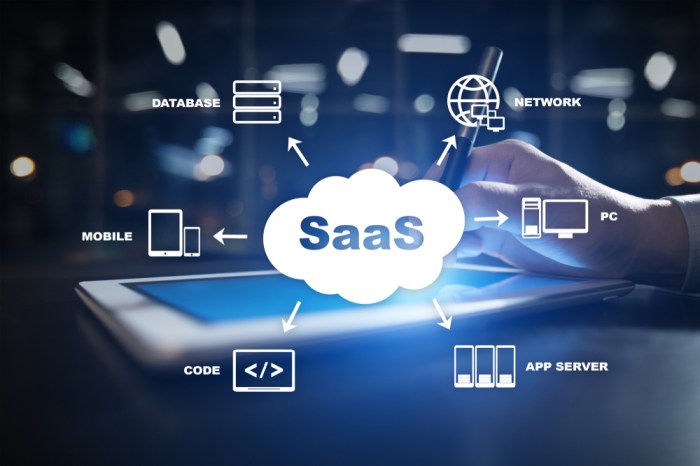
Customizable e-commerce solutions offer a range of key features that set them apart from standard off-the-shelf platforms. These features allow businesses to tailor their online presence to suit their specific needs and adapt to changing market demands.
Adaptability to Changing Business Needs
Customizable e-commerce solutions are designed to be flexible and adaptable, allowing businesses to easily modify and adjust their online store as needed. This adaptability is crucial in today’s fast-paced business environment, where market trends and consumer preferences can change rapidly. By having the ability to customize their e-commerce platform, businesses can stay ahead of the curve and meet evolving customer demands.
- Customizable design templates that can be easily modified to reflect branding and promotional needs.
- Scalable infrastructure that can accommodate growth and increased traffic without compromising performance.
- Integration with third-party software and tools to enhance functionality and efficiency.
Innovative Features
In addition to adaptability, customizable e-commerce solutions often come equipped with innovative features that set them apart from traditional platforms. These features are designed to enhance the user experience, improve operational efficiency, and drive sales.
For example, AI-powered product recommendations that personalize the shopping experience for customers based on their browsing and purchase history.
- Advanced analytics and reporting tools that provide valuable insights into customer behavior and sales performance.
- Dynamic pricing capabilities that allow businesses to adjust prices in real-time based on market conditions and competitor pricing.
- Customizable checkout process with multiple payment options and streamlined workflows to reduce cart abandonment rates.
Implementation of Customizable E-commerce Solutions
When it comes to implementing a customizable e-commerce solution, there are several key steps that businesses need to follow to ensure a smooth transition and successful integration.
Steps involved in implementing a customizable e-commerce solution:
- 1. Planning and Strategy: Start by defining your goals, objectives, and requirements for the e-commerce platform. This will help in selecting the right solution that aligns with your business needs.
- 2. Platform Selection: Choose a customizable e-commerce platform that offers the flexibility and scalability required to meet your business demands. Consider factors like customization options, integration capabilities, and user-friendliness.
- 3. Customization and Configuration: Tailor the e-commerce solution to fit your brand identity, design preferences, and unique features. Configure the platform settings, payment gateways, shipping options, and product catalog according to your business requirements.
- 4. Data Migration: Transfer existing data such as product information, customer details, order history, and inventory data to the new e-commerce platform. Ensure data accuracy and integrity during the migration process.
- 5. Testing and Quality Assurance: Conduct thorough testing of the e-commerce platform to identify any bugs, errors, or usability issues. Ensure that the platform functions as expected and provides a seamless shopping experience for customers.
- 6. Training and Onboarding: Train your team members on how to use the new e-commerce platform effectively. Provide support and resources to help them familiarize themselves with the platform’s features and functionalities.
- 7. Launch and Optimization: Once everything is set up and tested, launch your customizable e-commerce solution to the public. Monitor performance metrics, customer feedback, and sales data to continuously optimize and improve the platform.
Tips for businesses looking to transition to a customizable e-commerce platform:
- – Conduct thorough research on different e-commerce solutions available in the market to find the best fit for your business.
- – Collaborate with experienced developers and e-commerce experts to guide you through the implementation process.
- – Develop a detailed timeline and budget for the implementation to ensure a smooth and cost-effective transition.
- – Prioritize user experience and customer satisfaction when customizing the e-commerce platform to drive sales and conversions.
Common challenges faced during the implementation process and how to overcome them:
- – Integration Issues: Ensure seamless integration with existing systems and third-party applications by working closely with developers and IT professionals.
- – Customization Complexity: Break down the customization process into manageable tasks and prioritize essential features to avoid overwhelm and delays.
- – Data Security Concerns: Implement robust security measures to protect customer data, payment information, and sensitive business data from cyber threats and breaches.
- – Performance Optimization: Regularly monitor and optimize the e-commerce platform’s performance to ensure fast loading times, smooth navigation, and high availability for users.
Trends in Customizable E-commerce Solutions
In the rapidly evolving landscape of e-commerce, there are several key trends that are shaping the development of customizable e-commerce solutions. These trends are instrumental in enhancing user experience, boosting sales, and staying ahead of the competition.
Personalization and Customization Impact
Personalization and customization have become pivotal in the future of e-commerce. Customers now expect tailored experiences that cater to their preferences and needs. Customizable e-commerce solutions allow businesses to create personalized shopping journeys, recommend products based on past behavior, and offer unique promotions tailored to individual customers. This level of personalization not only increases customer satisfaction but also boosts conversion rates and fosters loyalty.
AI and Machine Learning Influence
The integration of AI and machine learning technologies in e-commerce platforms is revolutionizing the customization capabilities of online stores. These sophisticated technologies enable businesses to analyze vast amounts of data, predict customer behavior, and deliver personalized recommendations in real-time. AI-powered chatbots provide instant customer support, while machine learning algorithms optimize product recommendations and pricing strategies. By harnessing the power of AI and machine learning, customizable e-commerce solutions can offer a seamless and hyper-personalized shopping experience to customers.
In conclusion, Customizable E-commerce Solutions offer a pathway to innovation and growth in the digital marketplace. By embracing customization, businesses can stay ahead of the curve and provide a personalized shopping experience that resonates with modern consumers.
Question Bank
What industries benefit most from customizable e-commerce solutions?
Customizable e-commerce solutions are particularly beneficial for industries with unique product offerings or specialized services, such as fashion, beauty, and electronics.
How can businesses overcome challenges during the implementation of customizable e-commerce solutions?
Businesses can overcome challenges by conducting thorough research, seeking expert guidance, and implementing a phased approach to integration.
What role do AI and machine learning play in the customization of e-commerce platforms?
AI and machine learning technologies help businesses analyze customer data, personalize recommendations, and automate processes to create a more tailored shopping experience.