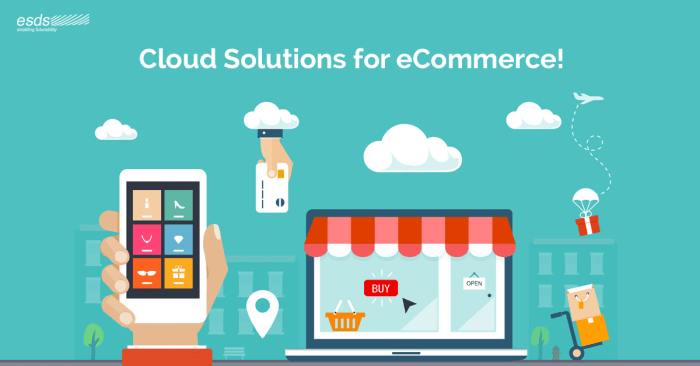
Embark on a journey into the world of Cloud-Based E-commerce Solutions, where innovation meets convenience, transforming the way businesses operate online.
Explore the key aspects of this cutting-edge technology and its impact on the e-commerce landscape.
Introduction to Cloud-Based E-commerce Solutions
Cloud-based e-commerce solutions refer to online platforms and services that allow businesses to set up and manage their online stores on the cloud. Instead of hosting their e-commerce websites on physical servers, businesses can leverage cloud technology to run their operations more efficiently.One of the key benefits of using cloud-based solutions for e-commerce is the flexibility and scalability they offer.
Businesses can easily adjust their resources based on demand, ensuring optimal performance during peak times. Additionally, cloud-based solutions often come with built-in security features, reducing the risk of data breaches and cyber attacks.When comparing traditional e-commerce platforms with cloud-based solutions, the latter generally offer lower upfront costs and faster deployment times. Traditional platforms require businesses to invest in physical infrastructure and software licenses, whereas cloud-based solutions operate on a subscription model, making them more cost-effective for smaller businesses.
Improved Accessibility and Collaboration
Cloud-based e-commerce solutions enable businesses to access their online stores from anywhere with an internet connection. This level of accessibility allows for increased collaboration among team members, as they can work on the website simultaneously regardless of their physical location. Additionally, cloud-based solutions often come with automatic updates and maintenance, reducing the burden on businesses to manage their e-commerce platforms.
Features of Cloud-Based E-commerce Solutions
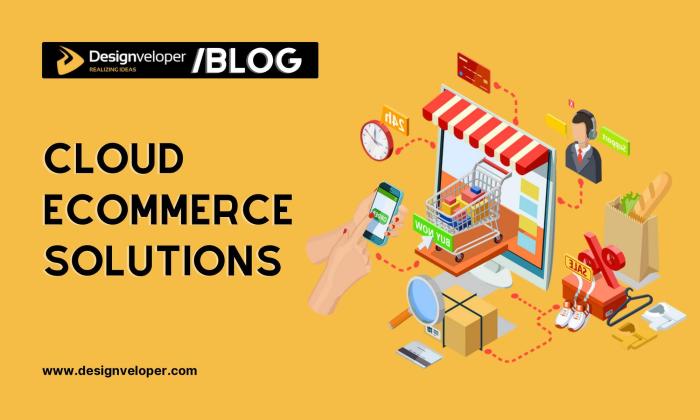
Cloud-based e-commerce solutions offer a range of unique features that set them apart from traditional on-premises systems. These features provide businesses with the scalability, flexibility, and security needed to thrive in the competitive online marketplace.
Scalability and Flexibility
Cloud-based e-commerce solutions are highly scalable, allowing businesses to easily adjust their resources based on demand. Whether experiencing a sudden spike in traffic during a sale or expanding into new markets, cloud-based platforms can quickly scale up or down to meet changing needs. This scalability ensures that businesses can adapt to growth and remain agile in the face of evolving market conditions.
Security Features
Security is a top priority for any e-commerce platform, and cloud-based solutions offer robust security features to protect sensitive customer data. With features such as data encryption, secure payment gateways, and regular security updates, cloud-based e-commerce platforms help businesses build trust with customers and maintain compliance with data protection regulations. By leveraging the advanced security measures of cloud technology, businesses can minimize the risk of data breaches and safeguard their reputation in the online marketplace.
Implementation of Cloud-Based E-commerce Solutions
Implementing cloud-based e-commerce solutions involves several key steps to ensure a successful integration. By following a structured approach, businesses can leverage the benefits of cloud technology for their online retail operations.
Steps in Implementing Cloud-Based E-commerce Solutions
- Assessment of Current Infrastructure: Evaluate existing IT systems and determine compatibility with cloud solutions.
- Selection of Cloud Service Provider: Choose a reliable provider that offers e-commerce-specific services and meets the business requirements.
- Data Migration and Integration: Transfer data to the cloud and integrate with e-commerce platforms to ensure seamless operations.
- Customization and Configuration: Tailor the cloud-based solution to align with the unique needs of the business and optimize performance.
- Testing and Quality Assurance: Conduct thorough testing to identify and resolve any issues before full deployment.
- Training and Adoption: Train employees on using the new cloud system and ensure a smooth transition for all stakeholders.
Examples of Successful Integration of Cloud-Based Solutions in E-commerce
- Amazon Web Services (AWS): AWS offers a range of cloud services that have been successfully integrated into e-commerce platforms, providing scalability and reliability for online retailers.
- Salesforce Commerce Cloud: This cloud-based e-commerce platform has enabled businesses to deliver personalized shopping experiences and drive sales growth through seamless integration with other CRM tools.
Challenges Faced During the Implementation of Cloud-Based E-commerce Solutions
- Security Concerns: Data security and privacy issues can arise when moving sensitive information to the cloud, requiring robust security measures to be in place.
- Integration Complexity: Integrating cloud solutions with existing e-commerce systems can be challenging, particularly when dealing with legacy systems or complex architectures.
- Cost Management: Managing the costs associated with cloud services and ensuring ROI can be a hurdle for businesses, requiring careful planning and monitoring.
Future Trends in Cloud-Based E-commerce Solutions
Cloud-based e-commerce solutions are continuously evolving to meet the changing demands of the market. Let’s explore some of the future trends that are shaping the landscape of cloud-based e-commerce platforms.
Role of AI and Machine Learning
AI and machine learning are playing a crucial role in enhancing cloud-based e-commerce platforms. These technologies are being used to personalize customer experiences, optimize product recommendations, and streamline the overall shopping process. By analyzing vast amounts of data, AI algorithms can predict customer behavior, improve inventory management, and provide valuable insights for businesses to make informed decisions.
Evolution of Cloud-Based E-commerce Solutions
In the coming years, cloud-based e-commerce solutions are expected to become more integrated and seamless. We can anticipate advancements in areas such as mobile commerce, virtual reality shopping experiences, and voice commerce. With the rise of IoT devices, there will be increased connectivity between devices and e-commerce platforms, creating a more personalized and efficient shopping experience for consumers.
In conclusion, Cloud-Based E-commerce Solutions offer a glimpse into the future of online retail, promising efficiency, security, and scalability for businesses worldwide.
Common Queries
What sets Cloud-Based E-commerce Solutions apart from traditional platforms?
Cloud-based solutions offer enhanced scalability, flexibility, and security features compared to traditional e-commerce platforms.
How can businesses integrate Cloud-Based E-commerce Solutions successfully?
Businesses can integrate cloud-based solutions by following a strategic implementation plan tailored to their specific needs and goals.
What are the future trends expected in Cloud-Based E-commerce Solutions?
Emerging technologies like AI and machine learning are poised to shape the future of cloud-based e-commerce, enhancing user experiences and operational efficiency.